Best Walking Shoes for Women for Comfort, Support and Everyday Movement
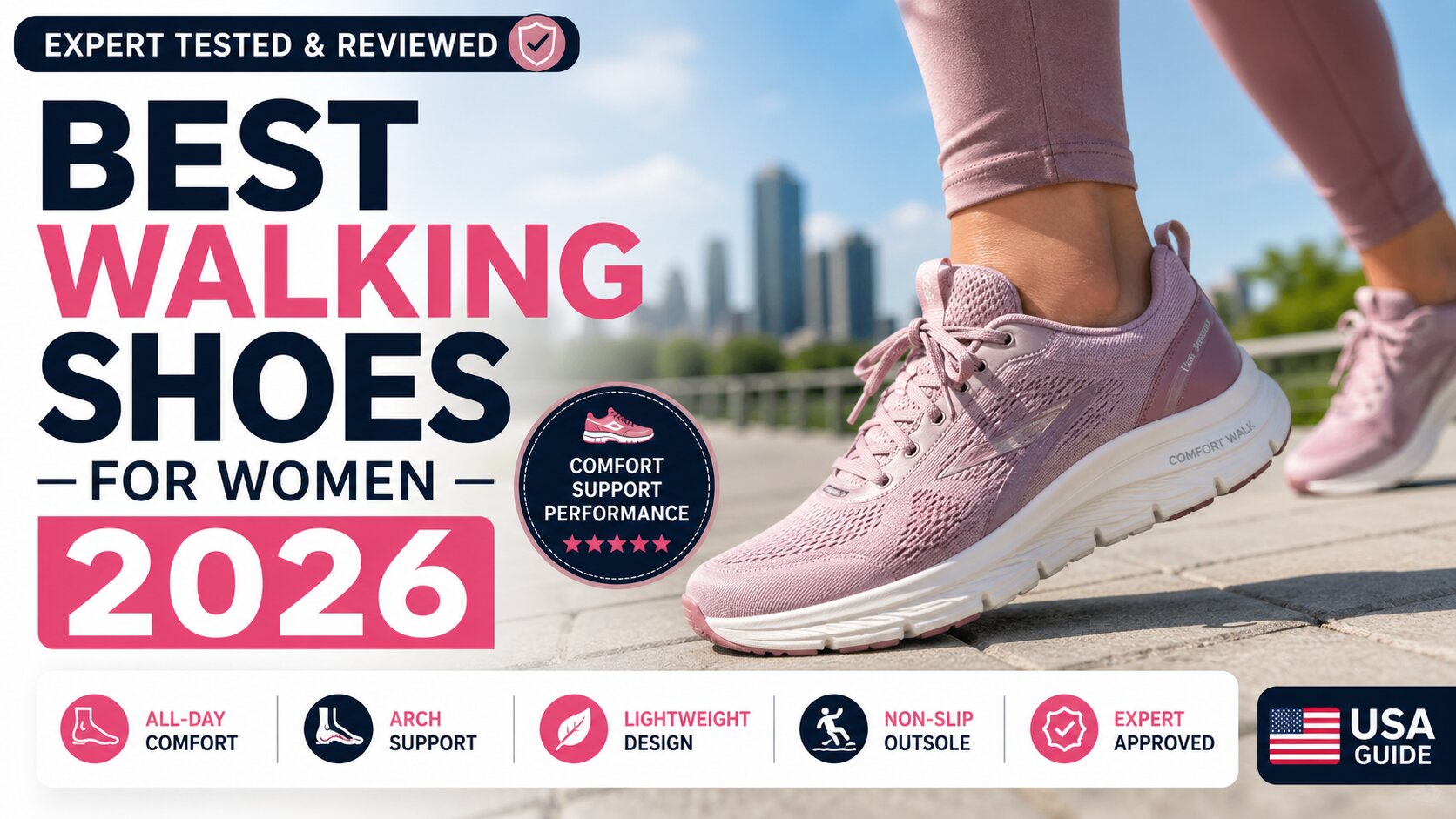
Choosing the Best Walking Shoes for Women is valuable for everyday comfort, foot health and overall body support. Whether being on your feet for exercise, travel, job duties, daily tasks or long hours of standing, the proper pair can make a major difference in how the feet area, ankles, knee joints, hips and body feel throughout the day. Women have individual foot shapes, arch profiles, walking styles and fit preferences, so a single shoe cannot suit every woman. Some need more shock absorption, some need more toe room, some need firm midfoot support, while others need soft support for tender heels or forefoot concerns. A well-designed walking shoe should feel easy from the first step, support natural movement and reduce strain during daily walking.
Why Walking Shoes Matter for Women
Walking can seem simple, but regular movement places strain on the feet and joints. When shoes lack suitable padding or stability, tiredness can increase gradually, especially during lengthy outings or full working days. The best women’s walking shoes are created to reduce shock, control walking movement and provide a stable base. They help reduce tiredness by supporting the heel, arch and forefoot in a balanced way. Good walking shoes also improve posture by encouraging better alignment from the feet upward. For women who spend time walking, work on their feet or move around often, supportive footwear is not just a appearance preference; it is a useful part of daily ease and wellness.
Best Walking Shoes for Women Over 50
The Best Walking Shoes for Women Over 50 should focus on stability, shock absorption and easy movement. As feet change with age, they may become more spread, easier to irritate or more likely to feel sore. Supportive walking shoes can help reduce pressure on the lower body and provide a more secure walking feel. Features such as soft midsoles, slip-resistant outsoles, soft ankle collars and secure heel structures are helpful for everyday wear. Lightweight shoes are also beneficial because they reduce strain during extended walks. Women over 50 may benefit from shoes that offer a secure fit without feeling restrictive, allowing the feet to move naturally while still feeling supported.
Best Walking Shoes for Overweight Women
The right walking shoes for overweight women should provide strong cushioning, long-lasting support and reliable shock absorption. Extra body weight can add strain on the feet area, knee joints and lower back, so the shoes must be designed to handle continuous movement. A thick but responsive midsole can help reduce step impact, while a stable outsole keeps the foot secure. Wide bases are also helpful because they improve balance and reduce unwanted foot movement. Comfort should never feel weighed down or hard; the ideal walking shoe offers strength, flexibility and comfort together. Breathable materials can also help keep feet fresh during extended walking.
Comfortable Walking Shoes for Women with Wide Feet
Finding the Best Walking Shoes for Women with Wide Feet means looking for space, easy wear and a suitable shoe shape. Shoes that are too slim can cause friction, front-foot pressure, skin irritation and overall discomfort. A roomy toe area allows the toes to spread naturally, which improves balance and reduces irritation. Soft uppers are useful because they adjust more naturally to the individual foot structure. Adjustable lace systems or straps can also help create a personalised fit without tightening around the foot. Wide feet need structure just as much as room, so the shoe should still provide arch support, heel control and a steady sole unit.
Supportive Walking Shoes for Women with Flat Feet
The right walking shoes for women with flat feet should offer structured arch support and motion control. Flat feet can sometimes cause the foot to move inward while walking, which may lead to strain in the ankles, knee joints or lower back. A stable walking shoe helps guide the foot into a steadier position. Shoes with structured midsoles, secure heel support and stable outsoles are often easier to wear for flat feet than very soft, unstable footwear. The goal is not to force the foot into an uncomfortable form, but to provide enough support to make walking feel steadier, more secure and less tiring.
Cushioned Walking Shoes for Women with High Arches
Women with high arches usually need more cushioning and easy bending. The Best Walking Shoes for Women with High Arches should help reduce shock because high arches may not balance foot pressure across the foot. Soft midsoles, padded insoles and easy-bending front sections can make walking less tiring. A shoe that is too rigid may increase pressure on the heel and forefoot, while a properly padded shoe helps lower impact. Good heel padding is especially important, as high arches can place more impact on the rear foot. The right fit should feel secure, cushioned and supportive without creating tightness across the top of the foot.
Supportive Walking Shoes for Women with Plantar Fasciitis
The right walking shoes for women with plantar fasciitis should provide heel cushioning, structured arch stability and a firm walking base. Plantar fasciitis can cause noticeable heel soreness or strain along the sole of the foot, especially after sitting or during extended standing. Supportive walking shoes can help reduce strain by keeping the foot properly supported. A slightly cushioned heel area, stable midfoot design and cushioned midsole are helpful details. Shoes that bend too much in the middle may not provide reliable stability. Women dealing with heel pain should choose walking shoes that feel protective, steady and easy to wear for regular daily walking.
Best Walking Shoes for Women with Bunions
The right walking shoes for women with bunions should have a roomy forefoot, soft upper material and less rubbing around the front of the foot. Bunions can become uncomfortable when shoes press against the side of the forefoot joint. A roomy design helps ease irritation, while stretchable or gentle fabrics can prevent irritation. Shoes with tight toe areas or rigid panels near the bunion area may create more pressure. Good walking shoes for bunions should still provide underfoot structure and heel stability, but the front area must allow comfortable toe position. Softness, space and light support are the most valuable details.
Comfortable Travel Walking Shoes for Women
The best travel walking shoes for women should be easy to wear, easy to style and comfortable for extended sightseeing. Travel often involves terminals, pavements, railway stations, sightseeing, shopping and standing in queues, so footwear must handle varied surfaces with comfort. A good travel walking shoe should offer padding for extended outings, sole hold for secure walking and a air-friendly upper for all-day ease. It should also pair well with travel outfits so that women do not need to bring extra footwear. Easy quick-wear options or firm lace designs can both work well, depending on comfort needs. The best travel shoes make movement feel more comfortable from early hours to night.
Supportive Walking Shoes for Women Work All Day
The right walking shoes for women working all day should support full shifts on the feet, moving around and constant motion. Nurses, teachers, store teams, service staff, office professionals and service workers often need footwear that remains easy to wear throughout a complete workday. Shoes for work should have strong arch support, shock-absorbing soles, stable traction and breathable materials. A work-appropriate style may also matter, especially in workplaces with uniform needs. The right pair should reduce foot fatigue and help maintain daily ease even after Best Walking Shoes for Women with Plantar Fasciitis many hours. For all-day use, strong construction is important because the shoe must maintain its structure and stay comfortable after daily use.
Key Features to Look for in Women’s Walking Shoes
When comparing walking shoes, fit comfort should come before appearance. The fit should feel stable at the rear foot, roomy at the toe area and supportive under the midfoot. Cushioning should be supportive enough to reduce impact but not so soft that the foot feels unbalanced. The outsole should provide hold on everyday walking surfaces, while the upper should allow ventilation. Flexibility is also important, especially near the forefoot where the foot normally flexes. A replaceable footbed can be useful for women who use orthotic inserts. Above all, the shoe should match the user’s foot shape, walking habits and daily comfort needs.
Conclusion
The best women’s walking shoes are the ones that match each woman’s foot shape, lifestyle and support needs. Women over 50, plus-size women, women with broader feet, low arches, raised arches, underfoot discomfort or toe joint sensitivity all require individual footwear features. Travel and work needs also shape the best option. A good walking shoe should provide shock absorption, secure support, ventilation, sole hold and durable comfort without causing rubbing or pain. By choosing footwear based on actual support needs rather than style alone, women can enjoy smoother walking, reduced fatigue and improved support throughout the day.